Navigating Chrome Ore Grades and Qualities: South Africa vs. Zimbabwe
Navigating Chrome Ore Grades and Qualities: South Africa vs. Zimbabwe
KEY TAKEAWAYS
- South Africa is known for its high-grade chrome, making it a preferred source for international buyers.
- Zimbabwe's chrome deposits are rich but often face export restrictions and logistical challenges.
- Quality and consistency in chrome ore are key factors that influence buyer preference between these countries.
- Oreways supports miners in navigating these regional differences to maximize market access and profitability.
The global demand for chrome, a critical element in stainless steel production and numerous industrial applications, relies heavily on the abundant reserves found in Southern Africa. Read more about the global demand for chrome.
Both South Africa and Zimbabwe are significant players in the chrome ore market, yet the characteristics of their deposits and the quality of the extracted ore can vary significantly.
In this article, we delve into the nuances of chrome grades and qualities across different regions in South Africa and Zimbabwe. We'll also clarify industry terms like "lumpy," "ROM," and "concentrate," and discuss the specific needs of ferrochrome producers like Oreways Mining.
Understanding Chrome Ore Terminology
-
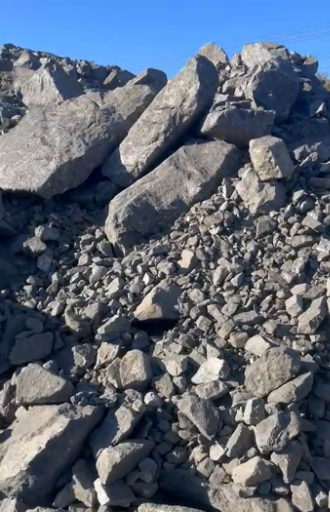
Lumpy:
Large, high-grade chromite chunks extracted directly
from the mine. Requires crushing and further
processing.
-
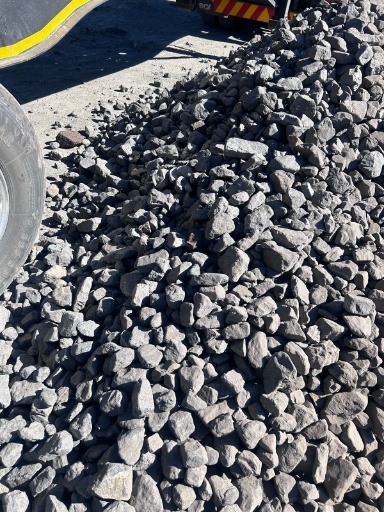
ROM (Run of Mine):
Unprocessed ore as it comes out of the mine,
containing a mix of chromite and other minerals. Needs
beneficiation to produce concentrate.
-
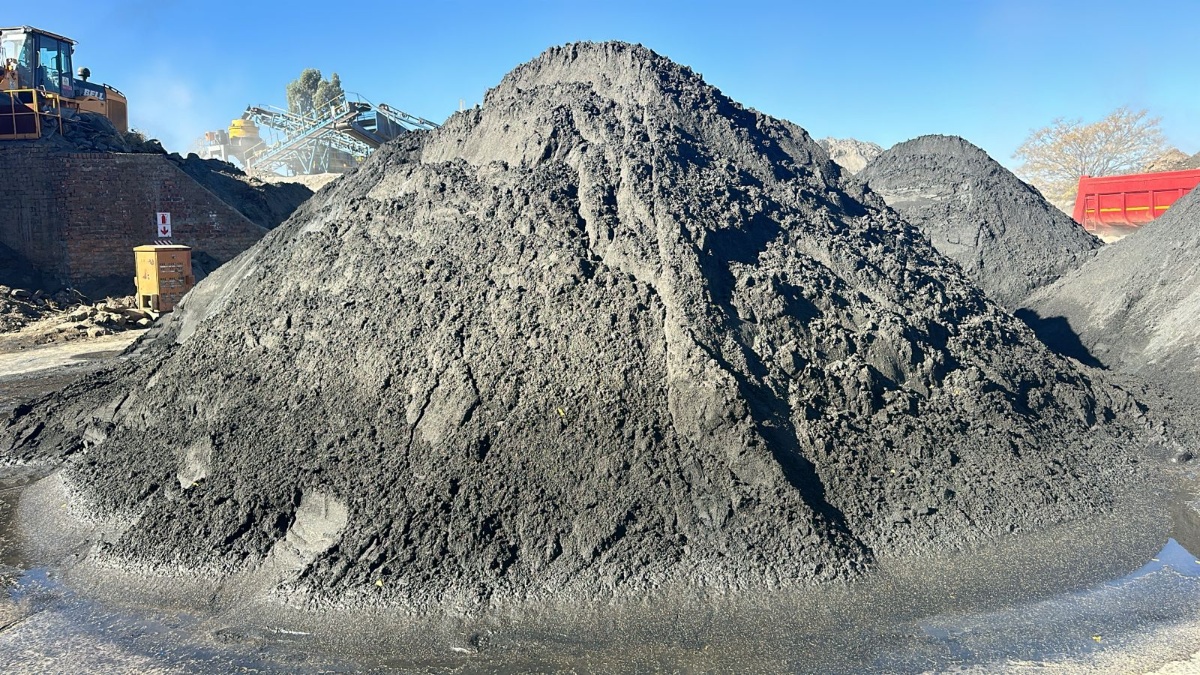
Concentrate:
The refined product after beneficiation, where gangue
(waste material) is removed, resulting in higher Cr2O3
content. This is the preferred feedstock for most
ferrochrome smelters.
Chrome Ore Grades: The Bushveld Complex vs. The Great Dyke
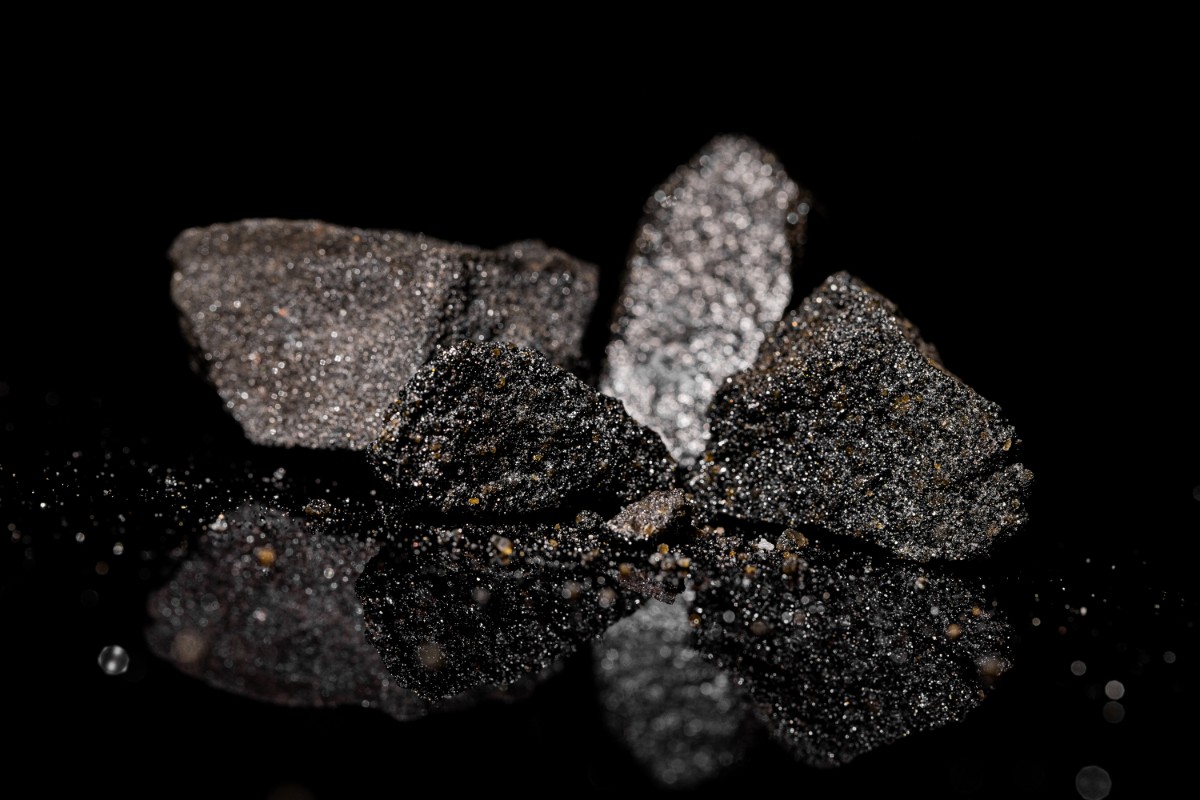
South Africa's Bushveld Complex and Zimbabwe's Great Dyke are two of the world's most substantial layered intrusions, renowned for their vast chromite deposits. However, the geological formations and subsequent ore grades exhibit distinct differences:
Bushveld Complex (South Africa):
- Location: Primarily in the North West, Limpopo, and Mpumalanga provinces. Key mining regions include Rustenburg, Brits, Burgersfort, and Lydenburg.
- Chromite Types: Predominantly stratiform deposits, formed through the layering of minerals during sedimentation processes. These deposits are known for their consistent layers and predictable distribution, making them easier to mine and explore.
- Grades: Typically lower in Cr2O3 content (40-44%) compared to Zimbabwean ores. However, the Bushveld Complex chromite boasts a favorable chromium-to-iron ratio (Cr:Fe) of 1.5-1.8. This ratio indicates the relative amounts of chromium and iron present in the ore. A lower Cr:Fe ratio is preferred for producing specific ferrochrome grades used in the manufacturing of certain stainless steel types. For instance, lower Cr:Fe chrome is ideal for producing ferrochrome for the production of high-nitrogen austenitic stainless steels used in cryogenic applications.
- Ore Types: Often found as lumpy ore (larger chunks) or Run of Mine (ROM) ore, which requires further processing. Lumpy ore is typically high-grade material with minimal waste rock. It can be directly crushed and sized before being shipped to smelters. ROM ore, on the other hand, is a mixture of chromite and other minerals (gangue) that needs beneficiation to produce a chrome concentrate with a higher Cr2O3 content. Beneficiation processes like crushing, grinding, screening, and gravity separation are employed to remove the gangue and improve the overall quality of the ore.
Great Dyke (Zimbabwe):
- Location: A linear geological feature running roughly north-south through the center of Zimbabwe.
- Chromite Types: Primarily podiform deposits, characterized by irregular shapes and less predictable distribution compared to stratiform deposits. These pod-like chromite bodies can be more challenging to locate and mine due to their variability.
- Grades: Generally higher in Cr2O3 content (48-52%) than South African ores. However, the Cr:Fe ratio is lower, typically ranging from 1.9-2.4. This higher Cr:Fe ratio makes Zimbabwean chromite well-suited for high-carbon ferrochrome production, which is used in applications demanding superior wear resistance.
- Ore Types: Often occurs as friable (easily crumbled) ore, which can be readily processed into concentrate. Friable ore breaks down easily during mining and transportation, making it ideal for beneficiation processes that utilize gravity separation techniques. However, the friable nature can also lead to higher dust generation during processing, requiring proper dust control measures.
Oreways Mining's Chrome Concentrate Requirements
Oreways Mining, operating two 45KVA furnaces in China, seeks chrome concentrate with a Cr2O3 content of 40-42% and specific chemical compositions that ensure optimal smelter performance and ferrochrome quality. We source from both South African and Zimbabwean mines, recognizing the unique advantages each region offers.
Partnering with Oreways Mining
As a reliable and consistent buyer of chrome concentrate, Oreways Mining values long-term partnerships with suppliers who share our commitment to quality, sustainability, and ethical practices. If you're a chrome producer seeking a reliable buyer and a partner invested in your success, we invite you to contact us today. Let's collaborate to build a brighter future for the chrome industry, one where quality, innovation, and responsibility go hand in hand.

Oreways Mining Team
The Oreways team behind this article is a group of dedicated professionals with extensive experience in supply chain management and supplier development. Their passion for ethical sourcing and building strong partnerships shines through in their work.